From individual steps to dance
‘That’s just a trick.’ I sometimes hear people say this across different equestrian disciplines when a horse performs an exercise or does something impressive. Personally, I believe that everything we do with horses is a form of art. Communicating, finding harmony, learning together and connecting movements.
I love watching how a horse initially needs a moment to think about a single movement, but eventually learns to connect it so naturally with the next that a rhythm begins to emerge. A little like dancing. First, you learn the steps one by one. Once you can connect them, it starts to look like a dance.
And just like people, some horses find their rhythm straight away, while others need a little more time to figure out where all those feet are supposed to go. With four feet, I can certainly understand that! 😉
Fortunately, you don't have to be a natural-born dancer. Dancing at your own level is healthy and fun, for both people and horses.
Learning the steps one by one
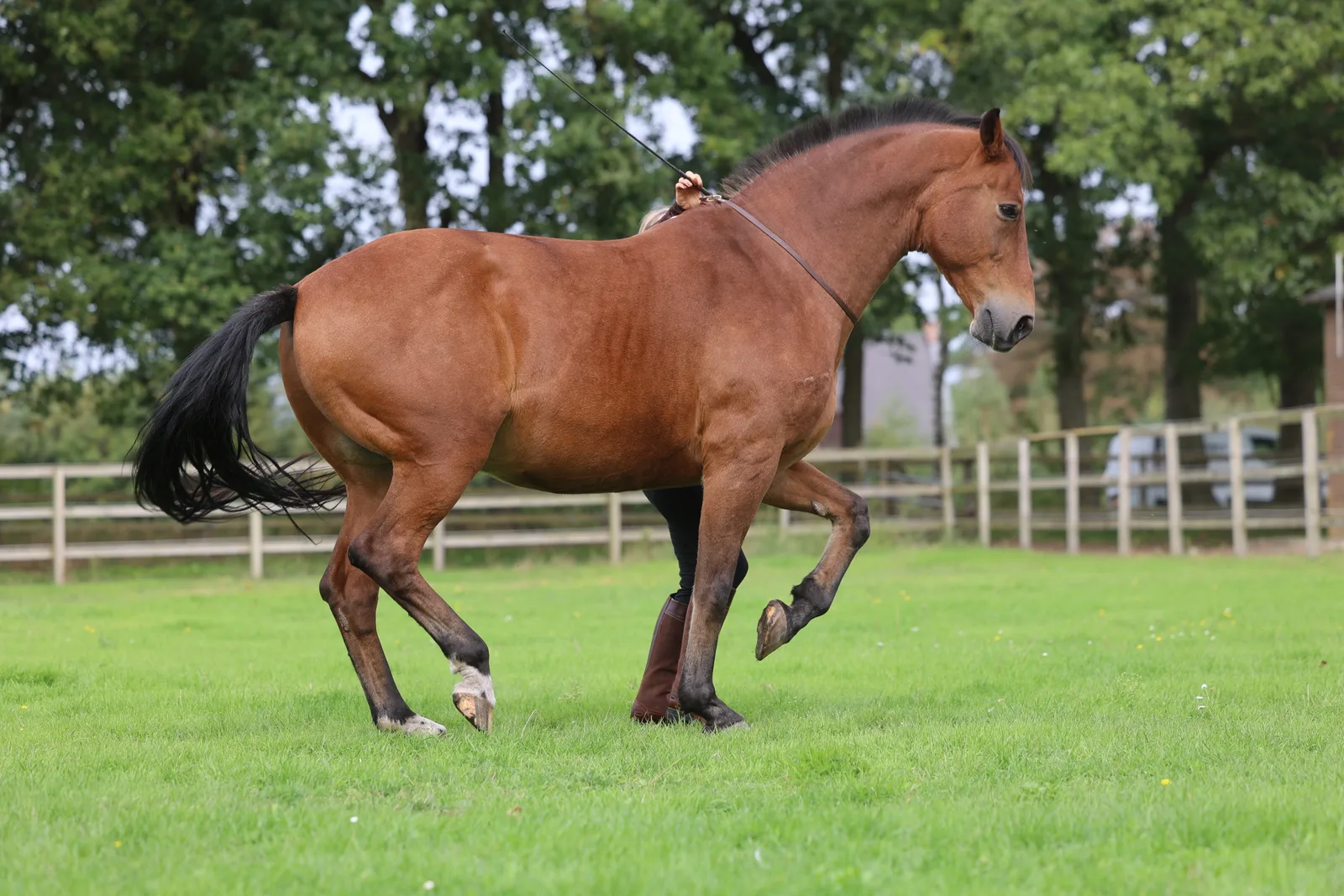
Take the jambette, for example. I start with a small request. Can my horse lift one front leg? Then I give him the opportunity to discover how that feels with the other front leg.
Once he understands both sides, I can begin alternating the movements. In the beginning, my aids are a little like training wheels. The better he understands the movement and finds his own balance, the less help I need to give.
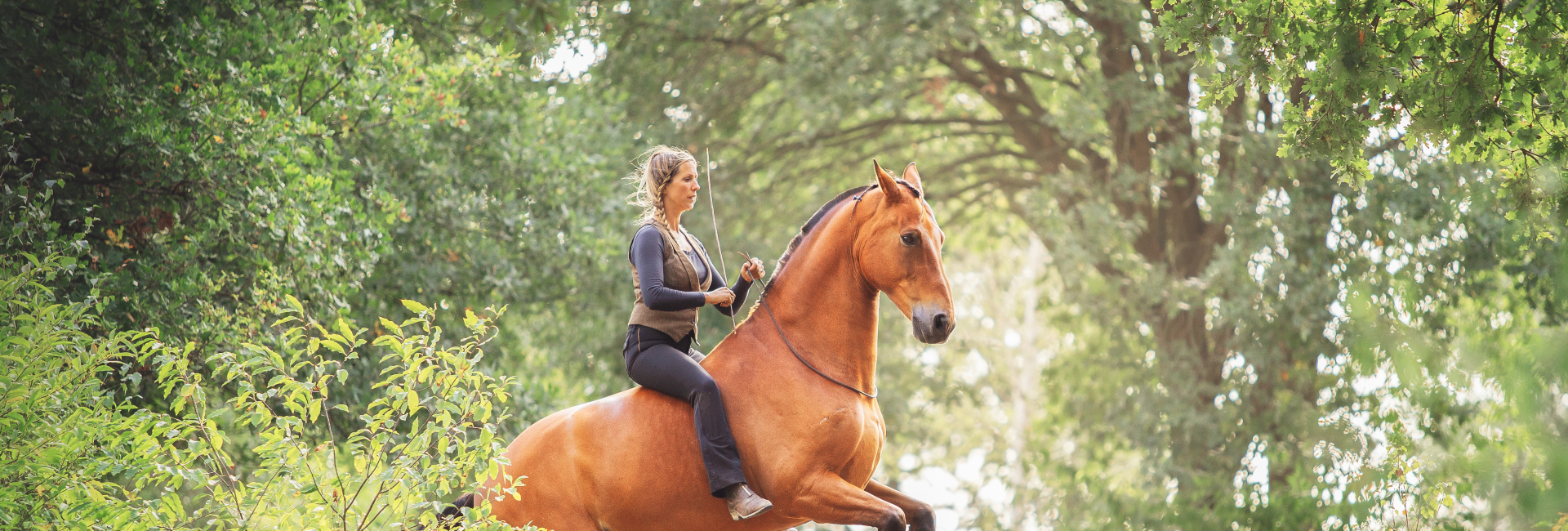
In this way, lifting a front leg can become one of the first building blocks towards developing passage. As we progress, I observe how his hindquarters become involved, how he supports his body through his core and how the individual steps begin to flow together in rhythm.
I approach travers in much the same way. I break the exercise down into small, individual elements. Tricks, if you like.
Does my horse understand the signals for moving his shoulders sideways and inward? And does he understand those same requests when I apply them to his hindquarters?
Just as important to me is how we learn to communicate and coordinate with each other. Can I feel when he's ready for my request? And does he understand it well enough to respond in a relaxed way?
Only then do I begin connecting those individual requests while moving.
This is how a few small, familiar steps can gradually develop into travers. You can practise travers with or without the support of the arena wall, and from there continue building towards half-pass.
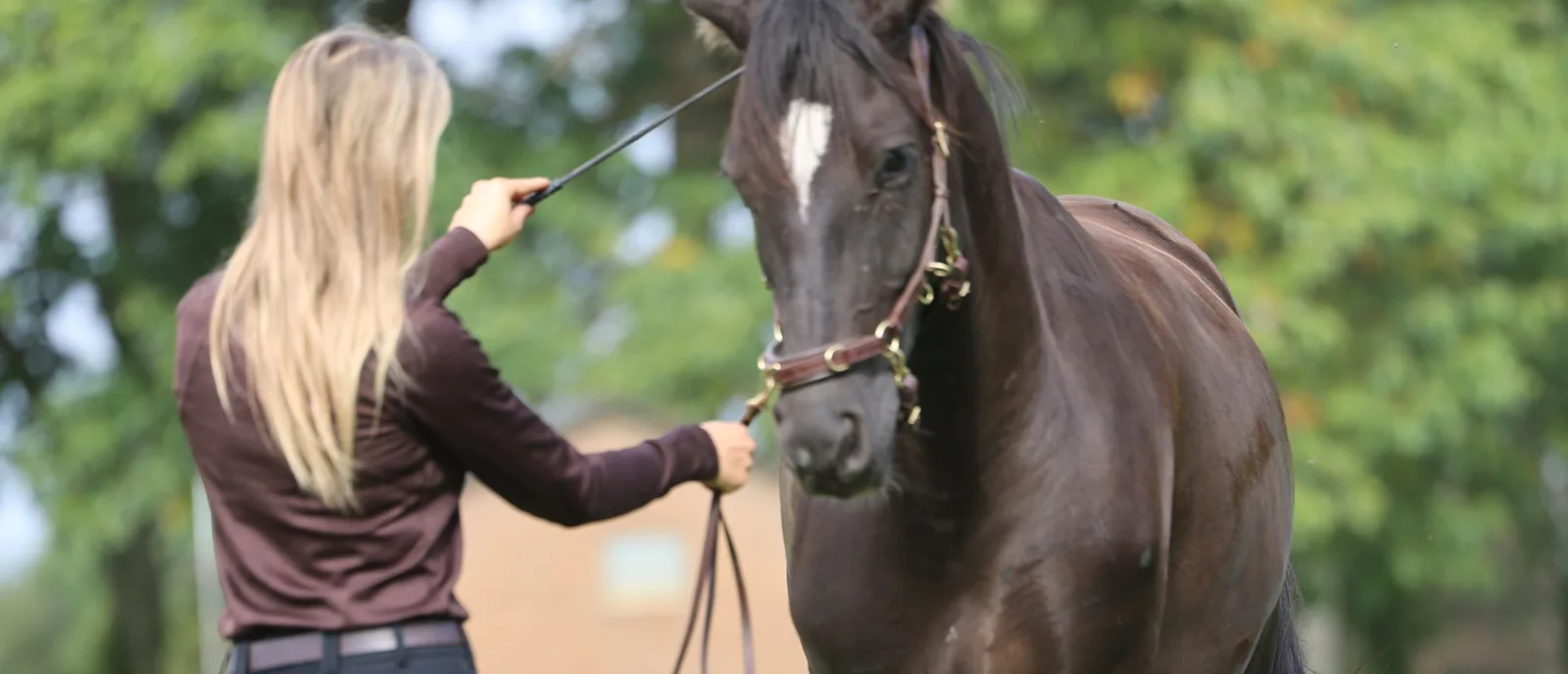
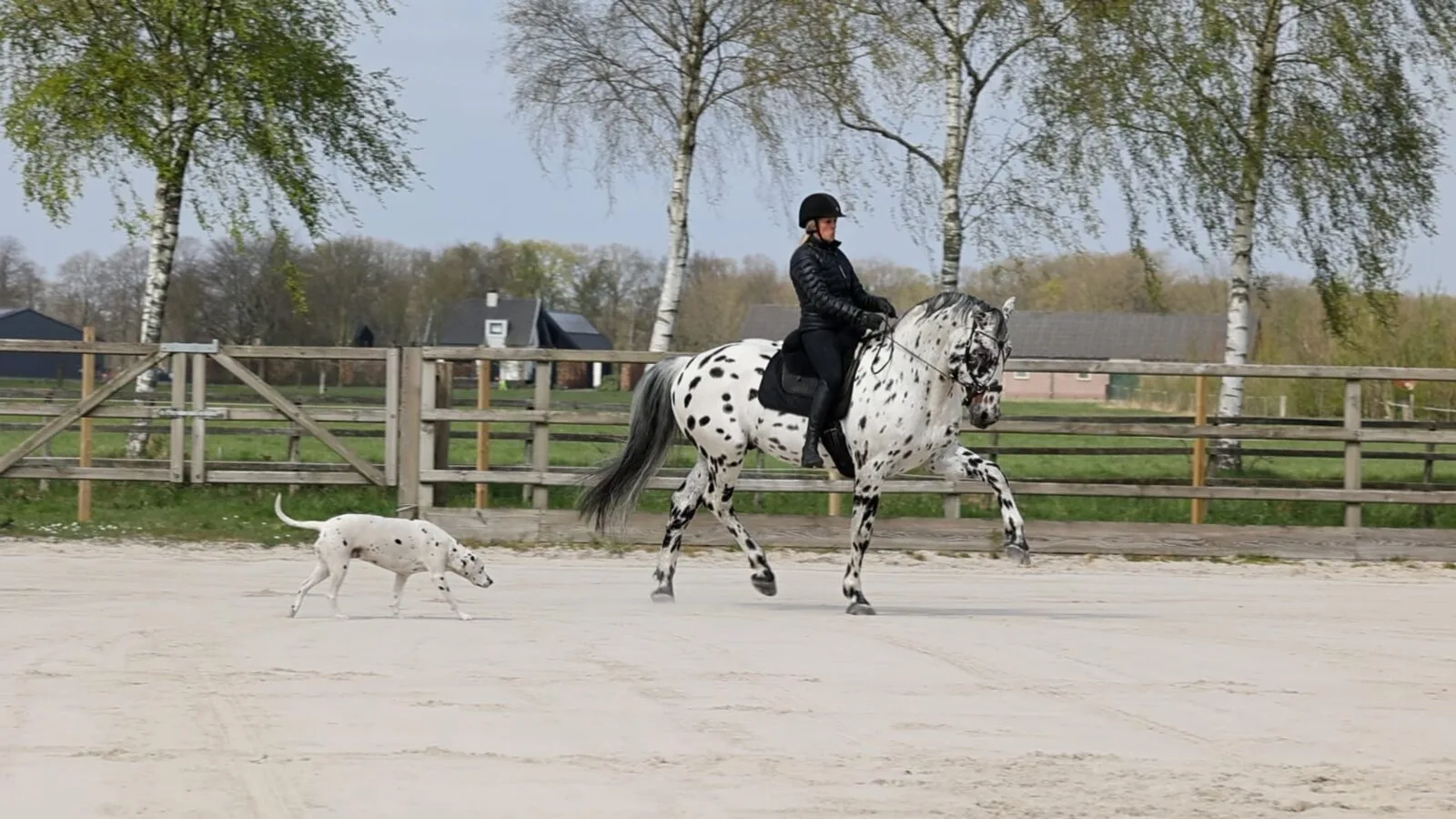
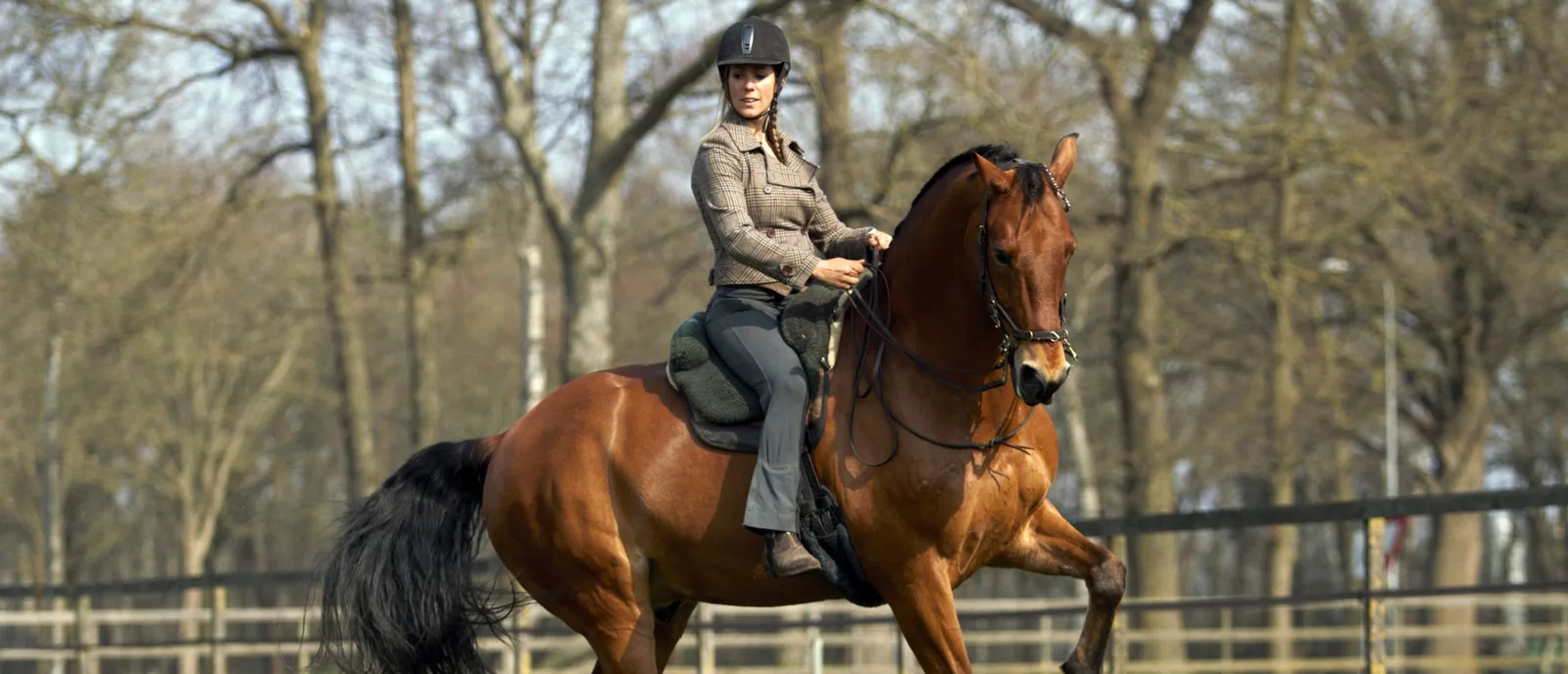
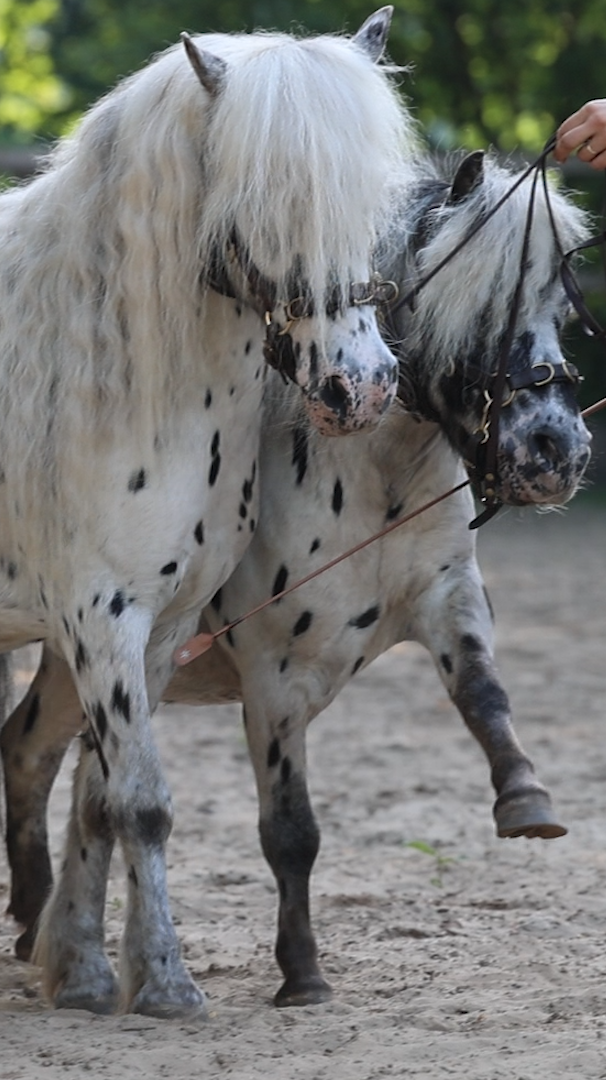
In the photos below, you can see how my students are working on this with their horses.
From teaching steps to becoming a personal trainer
Once my horse understands my requests and we're in tune with each other, my role begins to change. At first, I'm teaching him the individual steps. Then, gradually, I become more like his personal trainer.
I can encourage him to use his body more effectively, support himself better through his core and connect his steps more fluidly. Throughout this process, I keep feeling whether he remains balanced, both mentally and physically. For me, that's where fitness training begins.
I find this especially valuable for horses that are less naturally talented or find certain movements physically challenging. I can start small, with minimal physical strain, and gradually build on what the horse already knows.
And whenever we encounter difficulties, we always have those small, achievable building blocks to return to.
My training tip
Choose an exercise you're currently working on and break it down into one small step.
For example, can you ask your horse to bring his hindquarters one step inward and then calmly walk forward together again?
Notice how easily your horse transitions from one request to the next. If he stays relaxed and balanced, try asking again with a slightly lighter aid.
If you notice hesitation or tension, return to the individual movement you already know he understands.
This gives your horse the time to understand each step and discover how to connect them in his own way.
And before you know it, it starts to look like dancing.
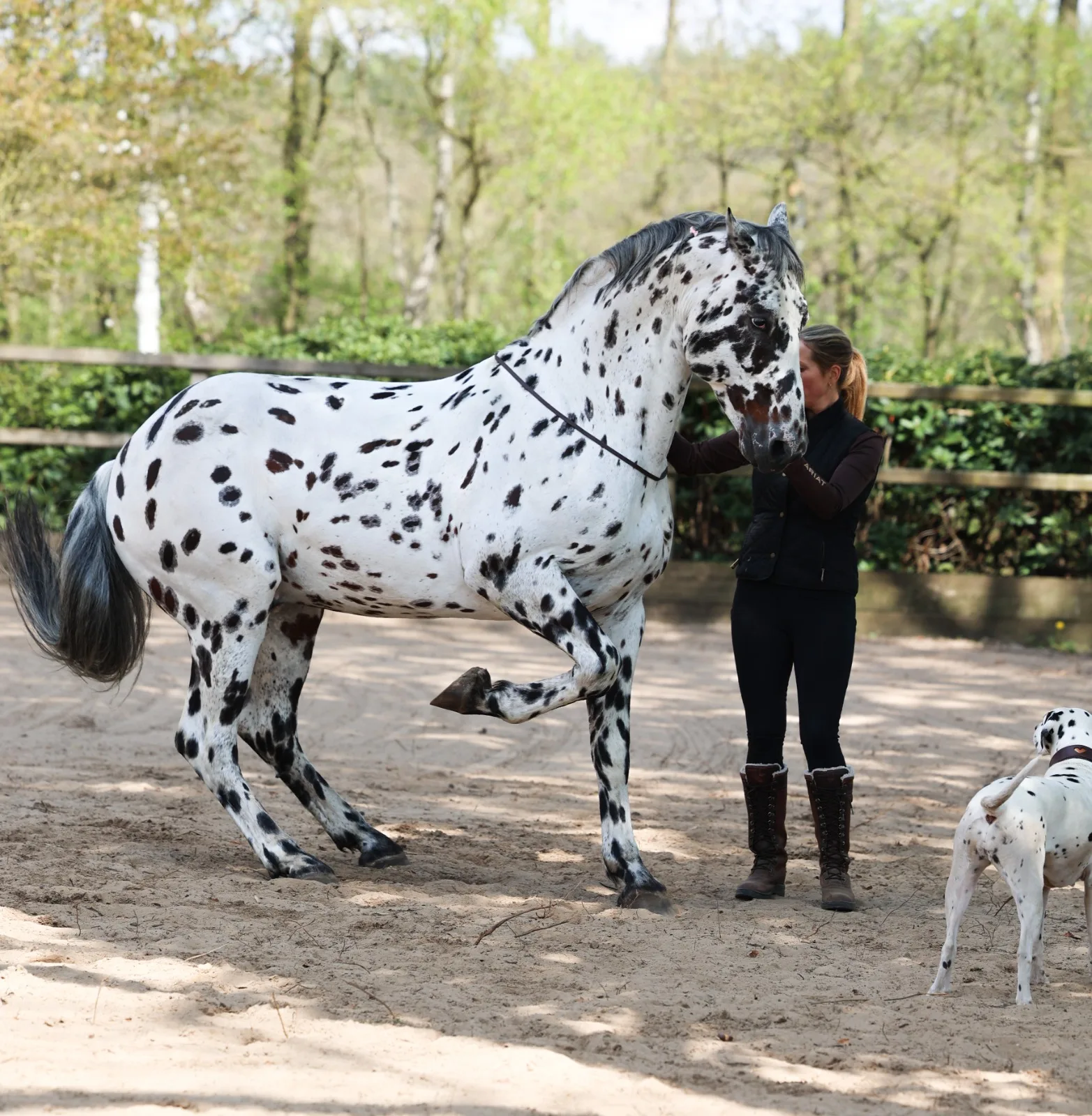
Founder of Human & Horse Academy in Kootwijkerbroek, the Netherlands, and creator of the Human & Horse Method and guasha therapy for horses. She trains with her own herd every day and educates trainers, instructors and guasha therapists. More about Greetje