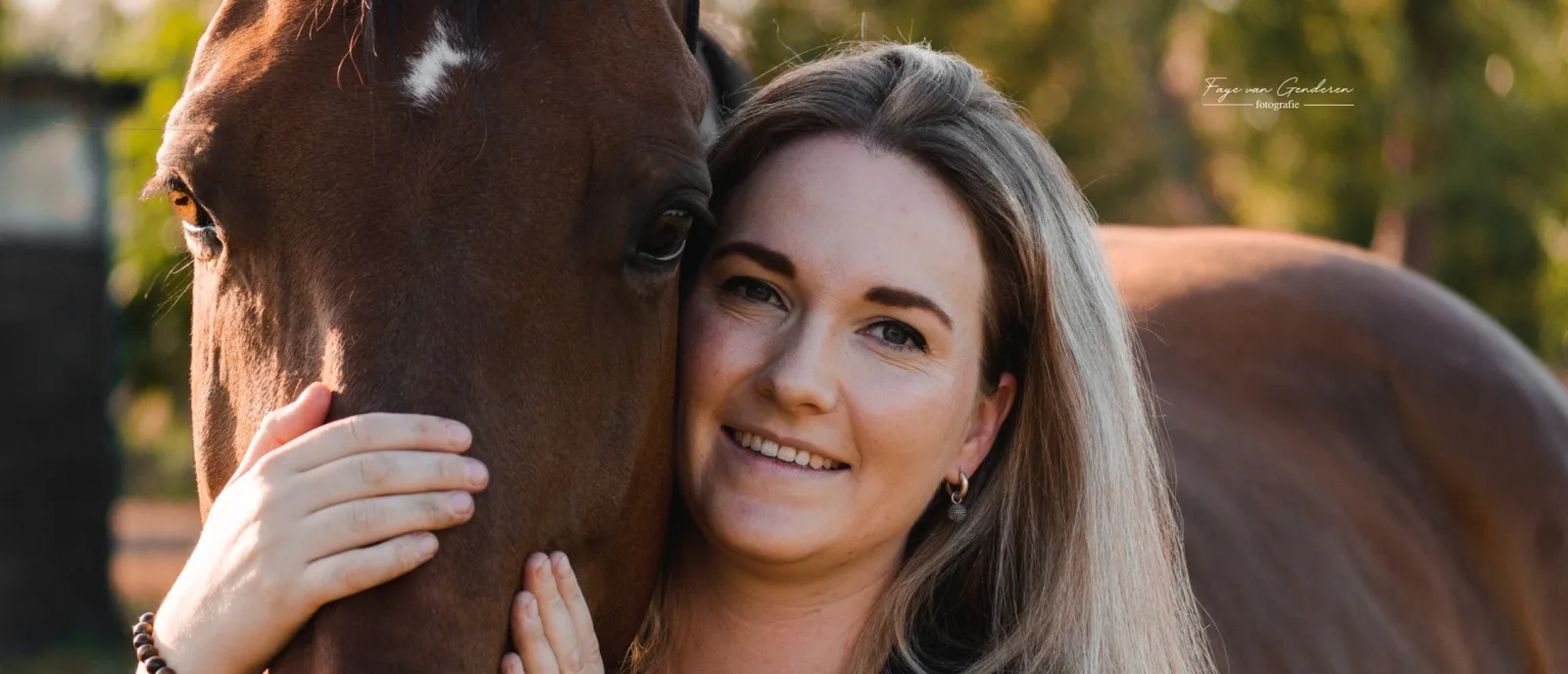
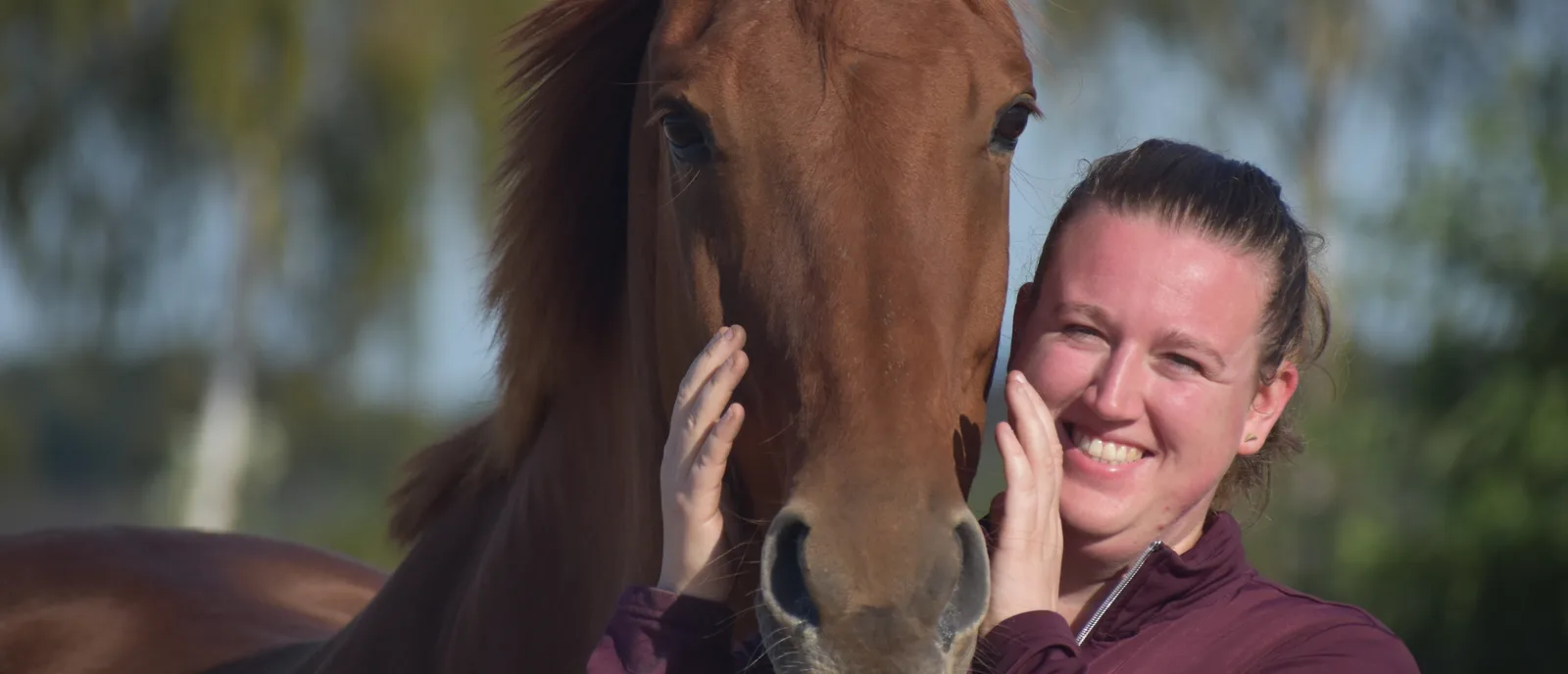
My first real experience with guasha therapy was when I was fourteen years old. Two years earlier, I had fallen off a horse and suffered quite severe back problems as a result. The pain persisted, and over time I also started experiencing more neck pain and severe migraines. At one point, I was having migraines almost every week.
Around that time, Greetje had started practising guasha therapy. I had already experimented a little with guasha on her horses, and one day she asked me, “Why don't I give you a treatment? Who knows, it might help.”
That took a little negotiating at home first. My parents found the idea of a guasha treatment quite intimidating, especially with all the red marks it could leave on the skin. Completely understandable, of course, when you don't know what it involves.
But after enough persuasion, I finally got their permission.
And that one treatment made an extraordinary difference for me. Before that, I had been suffering from migraines almost every week, but afterwards I went six months without a single migraine!
At the time, I had no idea why guasha had helped me so much. But one thing I knew for sure: I wanted to understand it.
I already knew that I wanted to become a physiotherapist so I could help people. From that moment on, the idea of bringing those two worlds together began to take shape.
What guasha taught me at such a young age was to look beyond the specific area where a problem occurs.
A knee is not just a knee, and neck pain doesn't necessarily originate in the neck itself. Everything in the body is connected.
Even though I didn't yet have the theoretical knowledge to explain it, guasha had already helped me start recognising and feeling these connections.
Later, I became a physiotherapist and developed a strong passion for studying subjects such as fascia, movement patterns, connective tissue and exercise science.
Suddenly, I began finding more and more theoretical explanations for the connections I had already been experiencing through guasha for years.
As I continued studying fascia and, more recently, graduated as an animal osteopath, even more pieces of the puzzle started falling into place.
And that is exactly what I still find so fascinating.
The more I learn about the body, the better I begin to understand why a seemingly simple treatment method can have an influence on so many different levels.
Within our guasha training programme, we have increasingly explored how to explain this method from a Western perspective as well.
Of course, we don't forget its origins in Eastern medicine, where concepts such as meridians, reflex zones and the flow of energy play an important role.
By treating the body with guasha, you may not only influence a specific area but also encourage the entire system to relax. In doing so, you create conditions that may support the body's natural recovery processes.
For me, these Western and Eastern perspectives are increasingly coming together.
Where I once simply felt that certain connections existed, I can now understand and explain them more clearly.
At the same time, all this additional knowledge hasn't made guasha more complicated for me.
Quite the opposite, actually.
Because you don't need to know everything about fascia, the nervous system, meridians or osteopathy to start working with guasha.
For me, its strength lies precisely in its accessibility and simplicity.
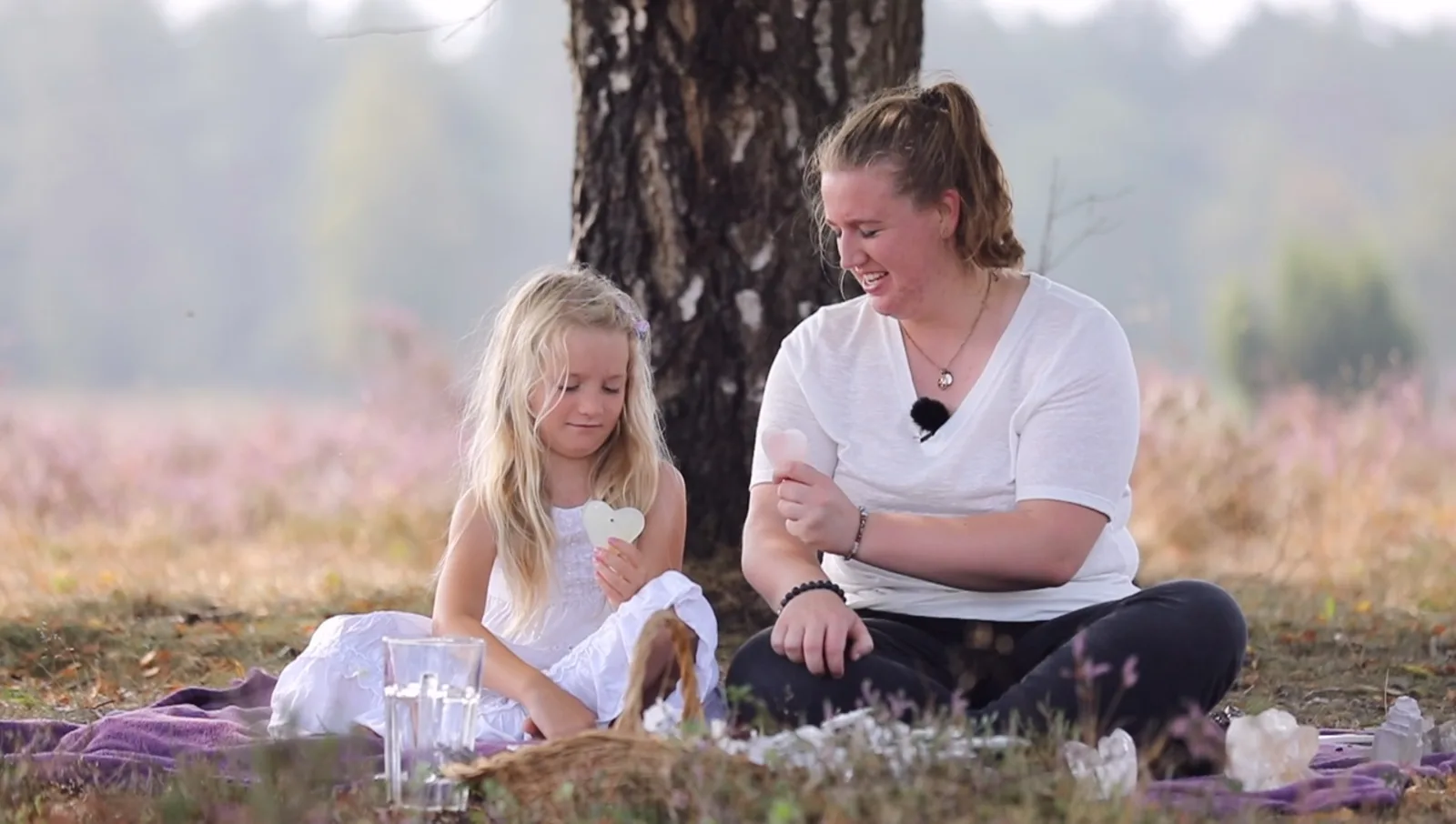
With a guasha tool, some oil, your hands, a little basic knowledge and, most importantly, the ability to observe and feel carefully, there is already so much you can discover.
And perhaps that has become my greatest passion: taking all the knowledge I've gathered over the years and making it simple and practical again.
No complicated technical language, but explaining things in a clear, down-to-earth way that anyone can understand.
Helping people learn to recognise what they feel, understand why they do something and discover how they can use guasha safely and consciously to support others.
That fourteen-year-old girl who thought, "How is this possible?" after her very first treatment is still very much a part of me.
I continue to discover new connections, and my fascination with the body and guasha only keeps growing.
My dream?
To make this knowledge so accessible that more and more people can learn to use it.
So that we can support one another, both humans and animals, while contributing to our well-being, developing a better understanding of the body and taking greater responsibility for our own health.
Perhaps one day, all around the world.
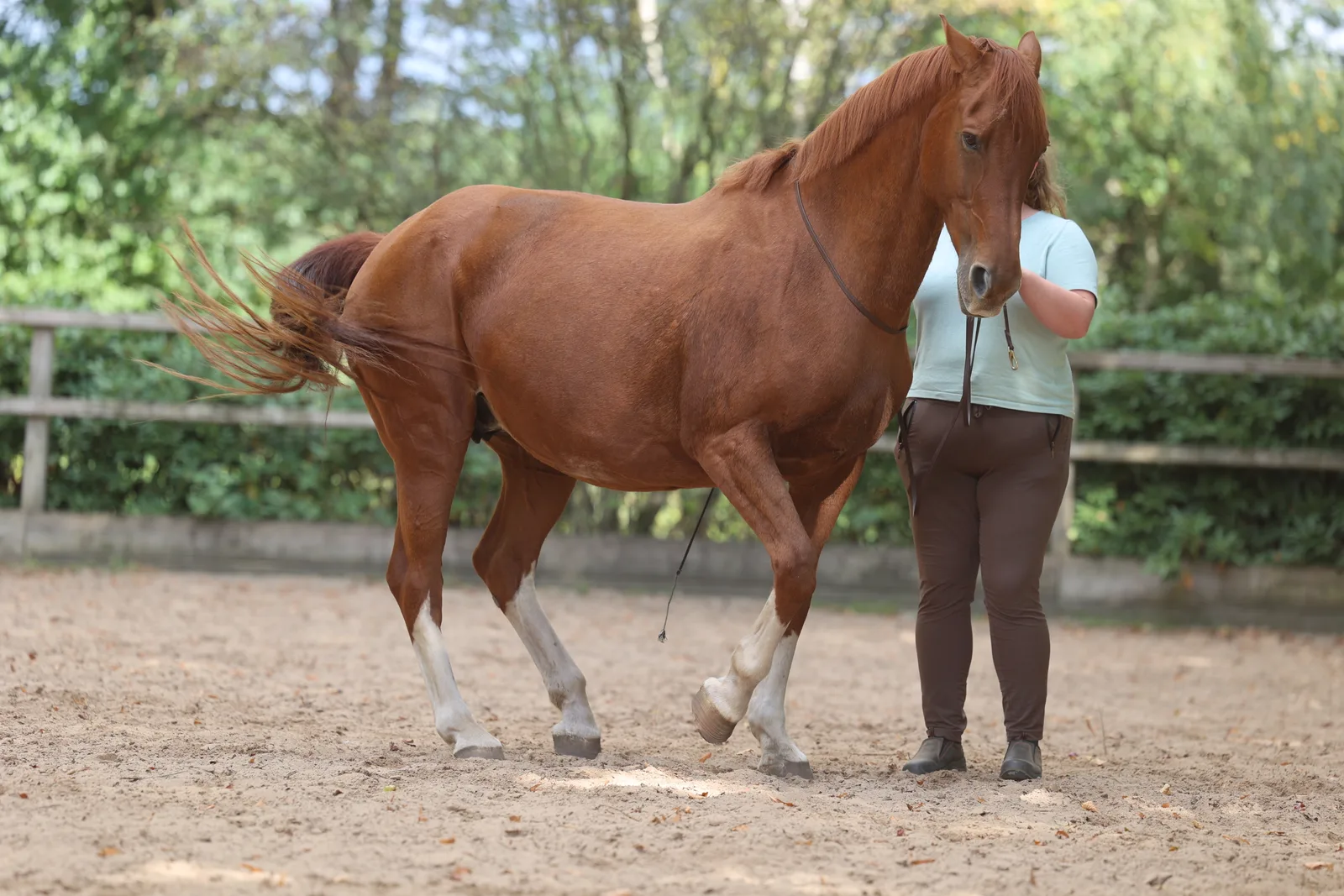
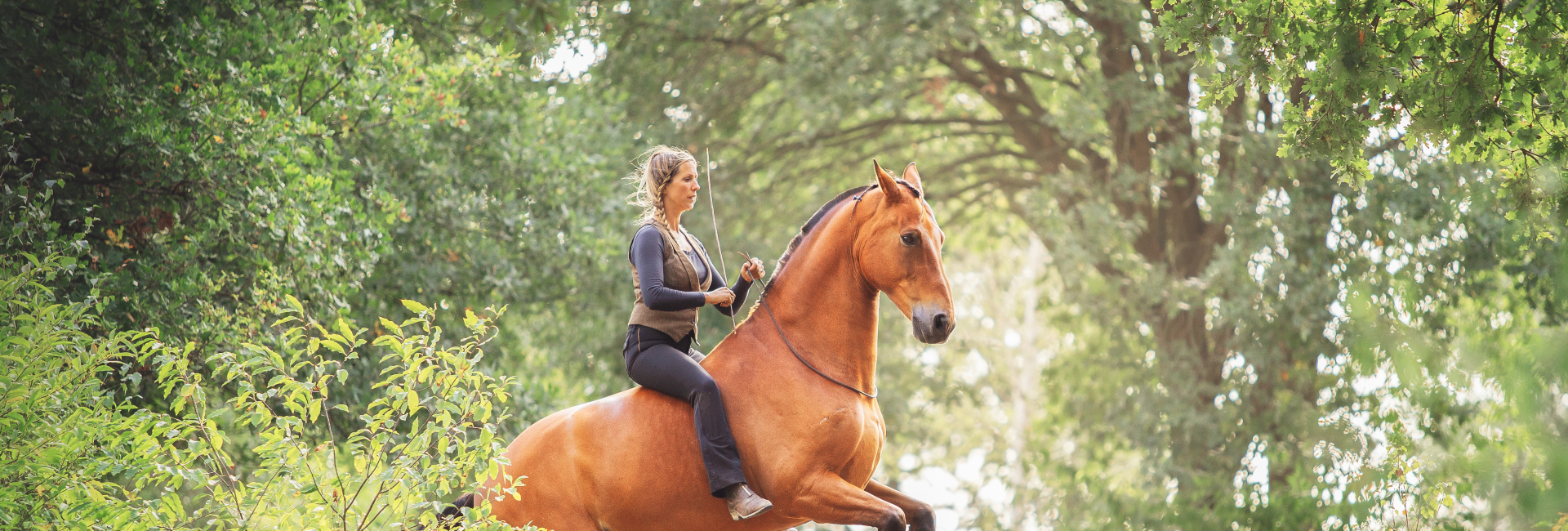
Founder of Human & Horse Academy in Kootwijkerbroek, the Netherlands, and creator of the Human & Horse Method and guasha therapy for horses. She trains with her own herd every day and educates trainers, instructors and guasha therapists. More about Greetje